Uncategorised
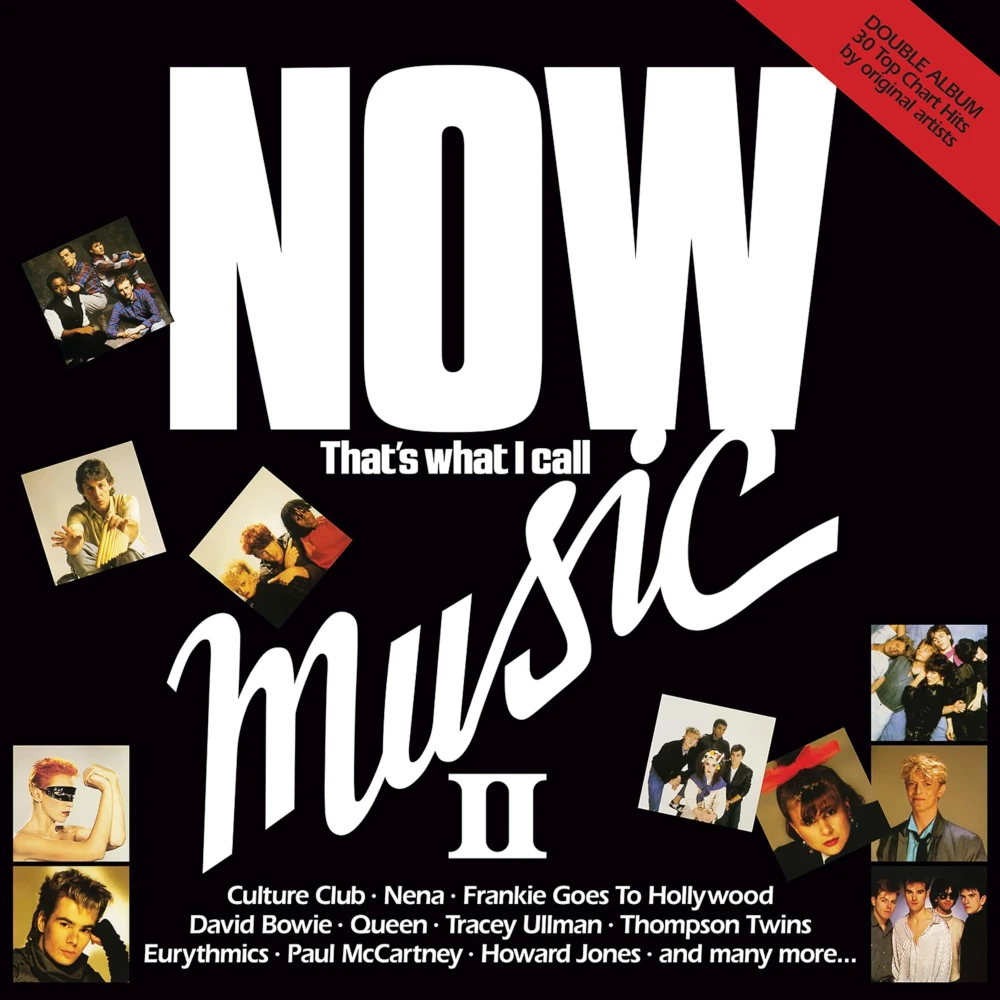
NOW That’s What I Call Music! 2 — March 1984
Sep
Double quick fast on the heels of the first album’s staggering success, the music industry wasted no time in churning out the sequel. On Monday, 26th March 1984, NOW 2 hit the record racks. The original compilation had just spent a massive eleven weeks in the top ten album chart, five of them sitting pretty at Number One, sacking off competition and establishing itself as a triple platinum juggernaut.
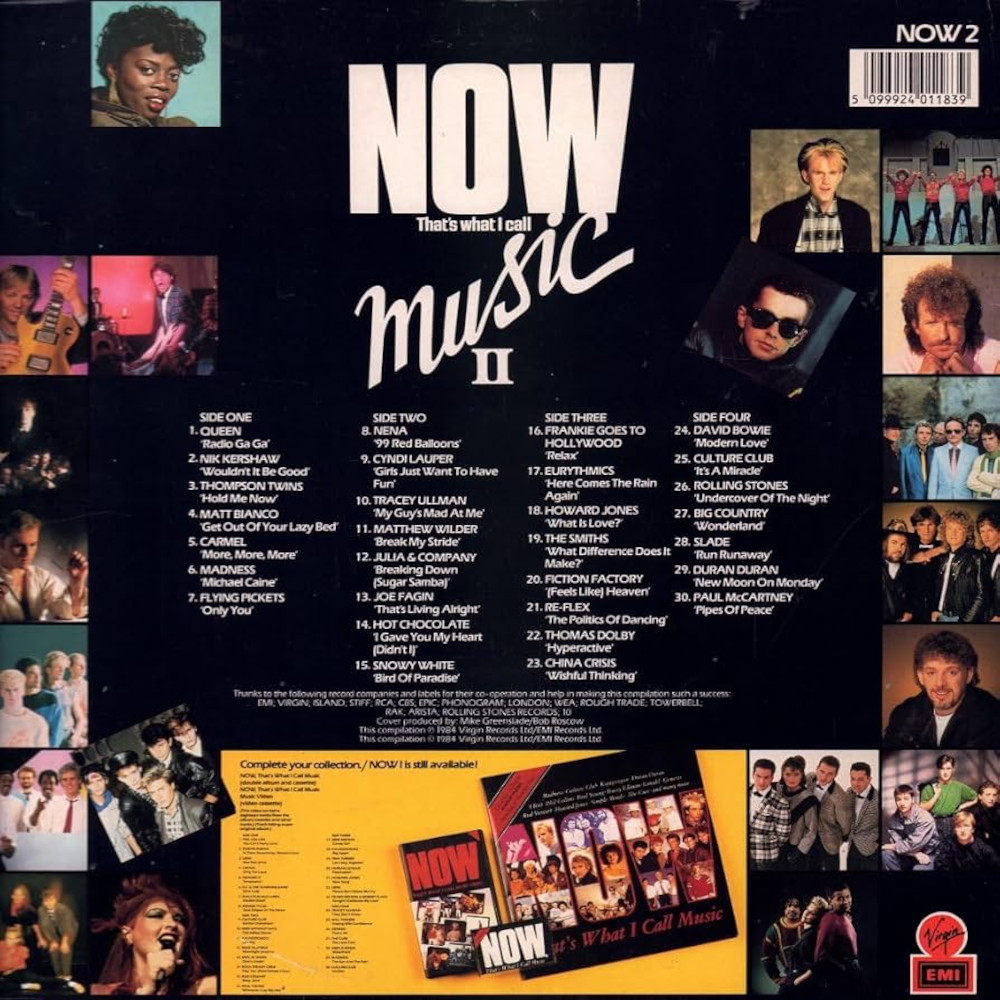
Yet, looking back at the tracklist for NOW 2, I had some seriously mixed feelings. Part of me thinks a fair few of these tracks have aged terribly, cross pollinating the charts with borderline novelty records. Matt Bianco’s “Get Out of Your Lazy Bed”, The Flying Pickets’ “Only You”, and Re-Flex’s “The Politics of Dancing” were, frankly, awful, and they thoroughly offended my ears.
But a couple of standout tracks acted as an absolute time machine, instantly teleporting me back to the sticky floors of early 1984.
Teenagers, Vinyl Wars, and Chips ‘wi Bits
Hearing Cyndi Lauper or Nena instantly brings back the distinct aroma of my local youth club. It was held inside a Methodist Church hall and run by the dad of a girl who sat in my class. They were a proper, textbook middle class hippy family, which meant they were naturally a little uptight, as hippies invariably tend to be. The dad was a teacher at a completely different school, but because this was a youth club and not a classroom, he desperately insisted that we all call him “John”.
Every single Friday night, between 6:00 PM and 8:00 PM, the church hall became a tactical battleground. The primary weapon of choice was the record player, which was subject to a permanent, aggressive gender war. The girls desperately wanted to spin the hyper polished, eyeliner heavy sounds of Culture Club and Duran Duran, while the boys would violently protest, demanding we play literally anything else.
Once our two hours of secular tension in a Methodist building concluded, we would troop out into the cold. As a pre-teen boy growing up in a West Yorkshire market town, I had exactly one objective on a Friday night. I would head straight to the chippy next door to secure a steaming bag of “chips ‘wi bits” for the walk home.
What We Were Watching on the Telly
By March 1984, my evening routine was strictly systemised around the television schedules, and because we were still a staunchly dedicated Betamax family, missing the live broadcast meant missing out entirely:
- 5:00 PM (ITV) — Danger Mouse: Rushing inside to watch David Jason voice a secret agent rodent, alongside Terry Scott as a bumbling hamster. Brilliant, chaotic television.
- 7:10 PM (BBC1) — Blue Thunder: In the spring of ’84, I would usually stay out playing until about 7:00 PM, but I would run like the wind to ensure I was home in time for this. To an armed pre-teen who spent his days permanently dressed as an “army man” with .177 airgun pellets rattling in his camo pockets, a military grade helicopter modified with high tech surveillance gear and massive guns tearing up the skies on a Monday evening was the ultimate validation. Hell yeah.
- 8:00 PM (ITV) — Duty Free: The ultimate Yorkshire Television holiday farce. Keith Barron and Gwen Taylor navigating working class package holiday mishaps in Spain while conducting a blatant extramarital affair. What else was a lad supposed to watch at eight o’clock? Call My Bluff? Not a chance.
The Tracks That Defined the Times
Out of the tracklist, five songs perfectly capture the shifting gears of my musical tastes and the bizarre cultural landscape of early ’84:
1. Nena — “99 Red Balloons”
A track that had the entire British public absolutely captivated, though arguably less by the anti-war synth pop melody and more by Nena’s glorious, unvarnished display of continental armpit hair on Top of the Pops.
2. Matthew Wilder — “Break My Stride”
A cracking pop tune, but “Matthew Wilder” is absolutely not a pop star’s name. It sounds exactly like the name of a formidable Year 8 school bully who would shake you down for your dinner money behind the bike sheds.
3. Thompson Twins — “Hold Me Now”
Peak mid-80s synth pop royalty. The cascading percussion and massive, emotional chorus epitomised the lighter, melody driven side of the charts that the girls at the youth club were fighting to keep on the turntable.
4. Frankie Goes to Hollywood — “Relax”
The absolute definition of an era-defining juggernaut. Banned by the BBC, condemned by the establishment, and subsequently bought by every single teenager in the country. It was dangerous, thrilling, and completely inescapable in March ’84.
5. The Smiths — “What Difference Would It Make?”
I’ll be entirely honest here. This track sits comfortably in my Top 5 favourites today, but back in the spring of 1984, it almost certainly wasn’t. Morrissey’s distinctive, jangling misery was a slow burner for a twelve-year-old raised on glam rock and theme tunes, but it has aged beautifully.
What Was in the News and at the Cinema
Zooming out to the wider month of March 1984, the news columns were utterly dominated by the beginning of a conflict that would tear the social fabric of the country apart. This was the exact month the historic Miners’ Strike was triggered. Being raised in a West Yorkshire market town, the political tension felt incredibly close to home. The gritty evening news reports of pickets stood in bizarre, surreal contrast to the neon, escapist pop music we were consuming on the radio.
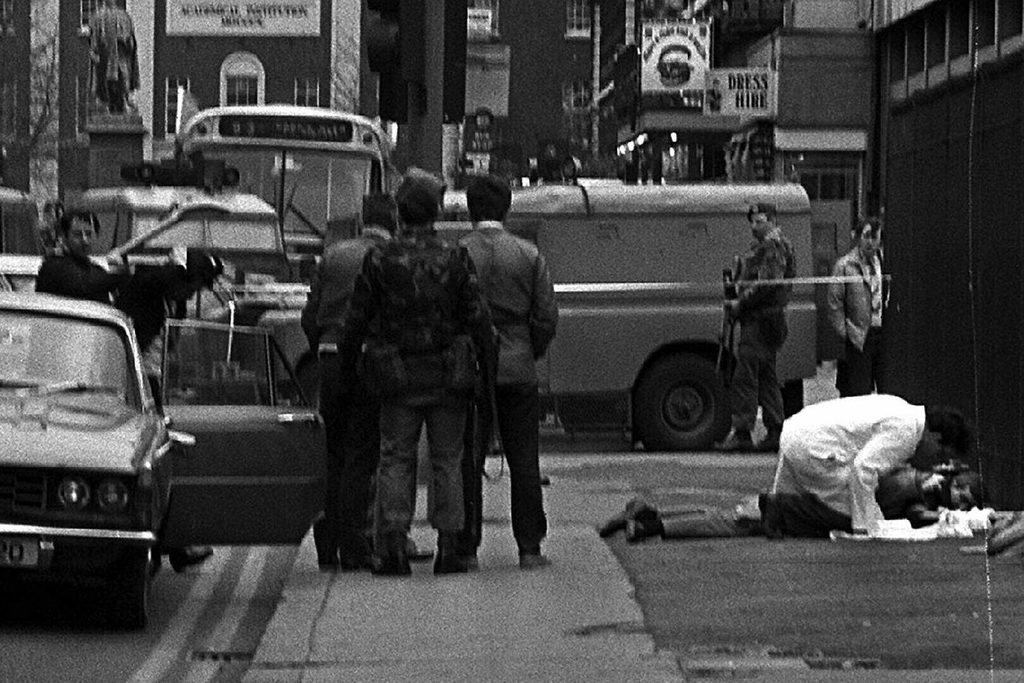
The unrest spread across the Irish Sea too. On the 14th of March, Sinn Féin President Gerry Adams was seriously injured alongside three others in a dramatic, midday gun attack by the Ulster Volunteer Force in central Belfast, an event that dominated the headlines and hammered home the gritty reality of the era.
If you managed to escape the heavy political climate by heading to the local cinema that month, the box office offered a brilliant mix of high energy dance and ridiculous comedy. Teenagers were flooding the theatres to watch Kevin Bacon defy small town authorities in Footloose, but the absolute cinematic highlight for me was the release of the very first Police Academy film.
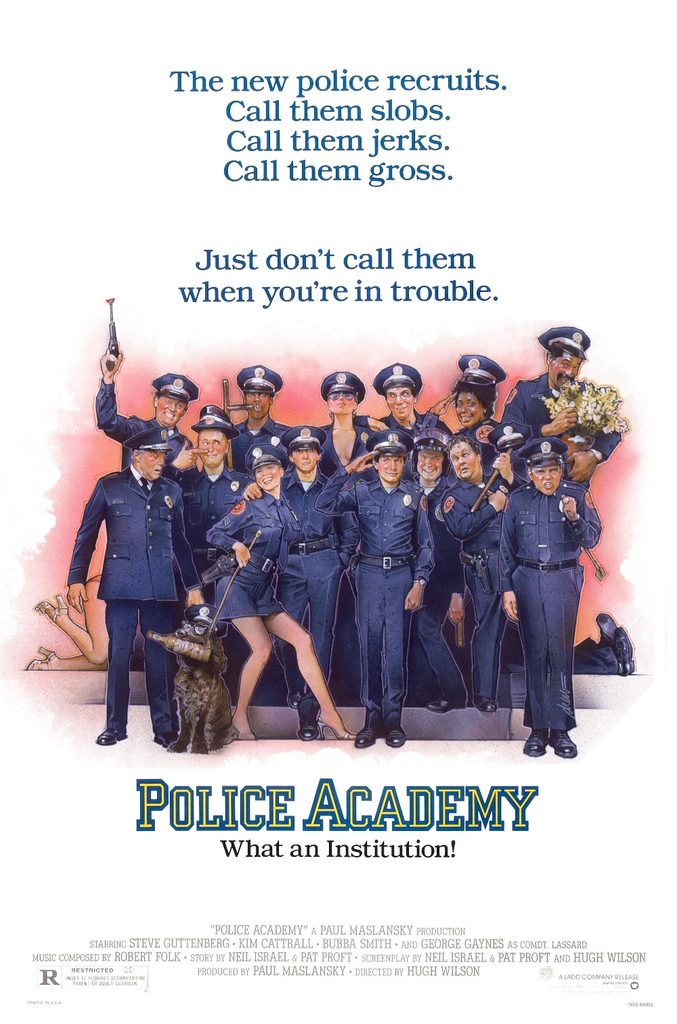
Michael Winslow’s mind-blowing vocal sound effects were a revelation, but my hormones were tracking on a completely different trajectory. Only a few months prior, my adolescent awakening consisted of sweating over composition pages in Amateur Photographer at the local reference library. Sitting in a dark cinema in March ’84, my education graduated to the big screen. Leslie Easterbrook’s spectacular, uniform-bursting turn as Sergeant Callahan blew my young mind in a completely different way.
