
Uncategorised
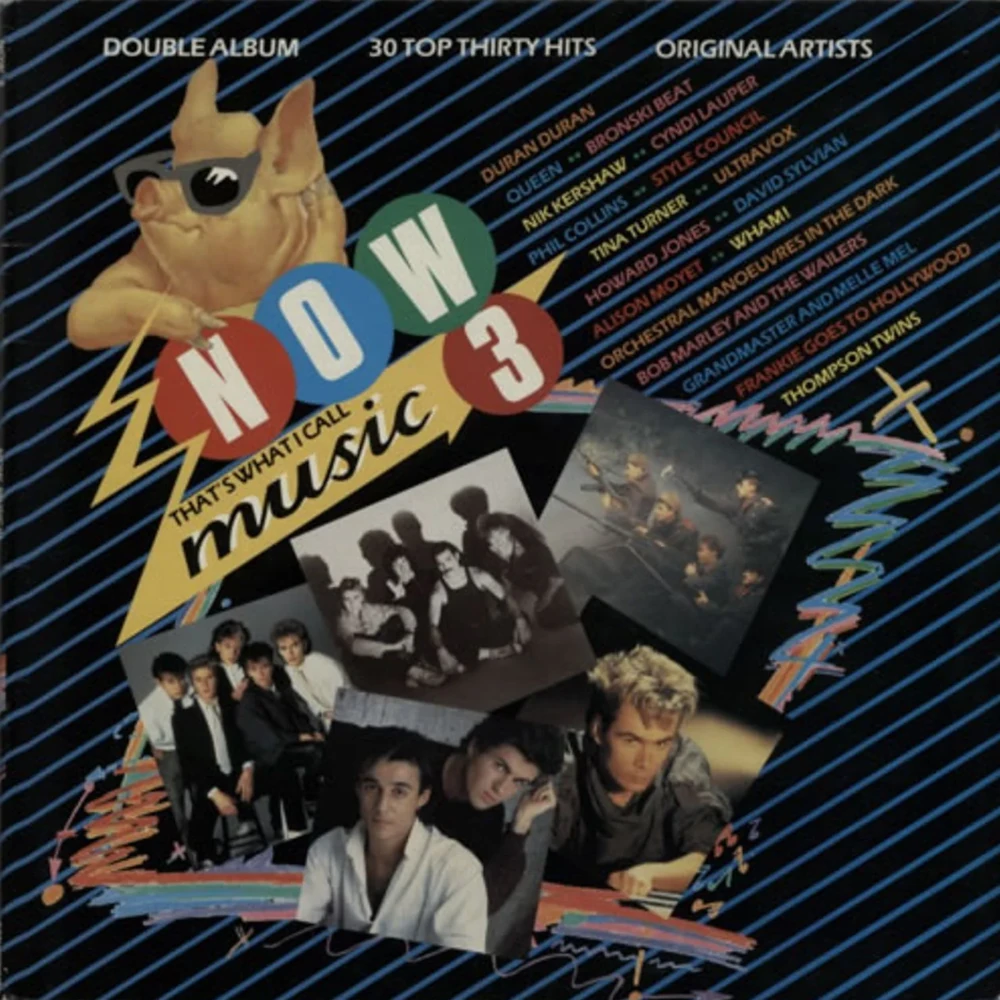
NOW That’s What I Call Music! 3 — July 1984
Sep
By the time the school gates slammed shut for the six-week summer holiday in July 1984, the NOW double-album juggernaut was officially an unstoppable cultural force. Released on Monday, 23rd July, NOW 3 was precisely what every teenager in the country wanted blaring out of their portable radio cassette players.
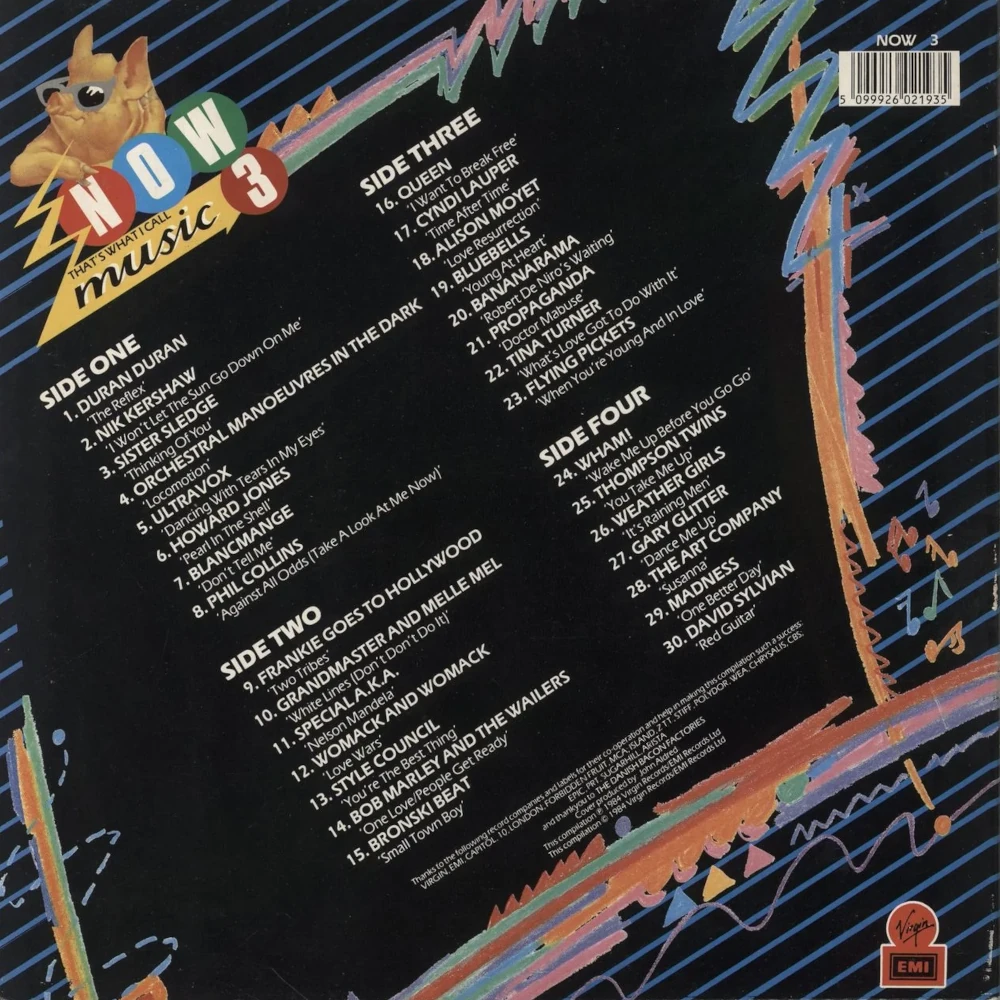
The compilation was an absolute heavy hitter, boasting 7 UK Number One singles out of its thirty tracks. Yet, the music industry was still mastering the art of the tracklist filler. While titans like Frankie Goes to Hollywood and Wham! dominated the grooves, the album also found room for relative chart underachievers, with The Kane Gang’s “The Closest Thing to Heaven” stalling down at Number 21.
But for me, the real soundtrack to the summer of 1984 wasn’t just playing on the turntable. It was spinning inside a top-loading video cassette player.
Video Nasties, Corrupted Canines and GenX Freedom
My mate lived in the big house at the very top of my street, a place that proudly overlooked the local grazing fields where we had recently retired from our cowpat-frisbeeing hobbies. His dad happened to own the town’s very first video rental shop. This coincided exactly with the heights of the great British “Video Nasty” moral panic. The establishment was in an absolute frenzy, to the point where one prominent Tory MP, Graham Bright, dead-panned to the press that these gory films would not only corrupt the minds of young people, but they would affect the minds of domestic dogs as well.
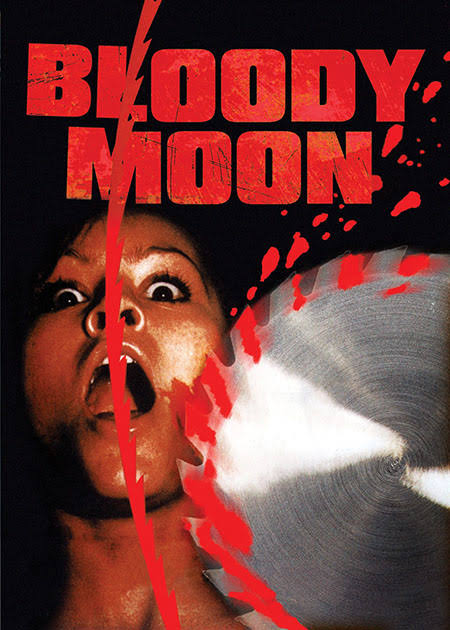
Terrified of a sudden police raid and subsequent arrest, my mate’s dad took the logical precaution of bringing his entire stock of DPP-listed video nasties home for safekeeping.
Naturally, nobody’s parents seemed to notice or care. In a textbook display of casual GenX parenting, we were left entirely to our own devices. Armed with a stack of forbidden tapes, we spent that glorious summer mainlining The Burning, Driller Killer, and Cannibal Holocaust. It was a total game changer for a pair of twelve-year-old lads. Tits and gore all the way. While the authorities were worried about the family terrier turning psychotic, those afternoon viewings became the definitive genesis of my lifelong love for horror movies.
Lounging in Salou and the T-Shirt Wars
When I wasn’t watching hairy-bushed teenagers get sliced up by garden shears on a CRT television, my family was embarking on a historic milestone. My dad had successfully given up smoking the previous year, meaning that for the first time in our lives, the household budget could finally stretch to a holiday abroad.
We jetted off to Salou, Spain, staying at the Cala Font hotel. It was a resort that instantly became infamous decades later when the Basque separatist group ETA targeted it with a car bomb, though during our stay, the only real danger was my absolute commitment to mid-eighties resort fashion.
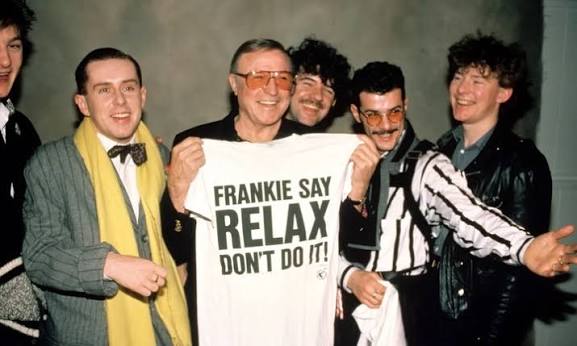
Summer 1984 was completely dictated by the slogan T-shirt. You were either team Wham!, proudly sporting a giant white tee that screamed “WAKE ME UP BEFORE YOU GO-GO”, or you were team Frankie. I firmly aligned myself with the Liverpool lads, marching around the hotel pool in a “FRANKIE SAYS DON’T DO IT” T-shirt, paired with a matching trilby hat and a pair of fifties-style sunglasses. In my twelve-year-old mind, I looked like the absolute bollocks.
What We Were Watching on the Telly
When we returned to the grim reality of West Yorkshire, the summer television schedules provided our primary source of shelter from the heat:
- 7:10 PM (BBC1) — Manimal: A show about a wealthy professor who could transform into a hawk or a panther to fight crime. It was dropped after just eight episodes, but it secured legendary status in my household. Awesomely bad television.
- 7:10 PM (BBC2) — The Great Great-Tit Watch: In a stroke of scheduling genius, BBC2 decided to counter an American shape-shifting superhero by broadcasting live footage of a bird’s nest. Needless to say, my backside remained firmly tuned to BBC1.
- 8:30 PM (Channel 4) — Man About the House: Even by the summer of ’84, this sitcom felt incredibly dated, but with a grand total of four channels available on our un-recordable Betamax setup, it was either this or staring at the wall.
The Tracks That Defined the Times
Re-listening to the tracks on NOW 3, five songs perfectly capture the heatwave of that legendary summer:
1. Frankie Goes to Hollywood — “Two Tribes”
An absolute titan of a record. With its relentless bassline and terrifying Cold War sound effects, it sat defiantly at Number One while its older sibling “Relax” was still lingering at Number Four. It perfectly mirrored the gritty paranoia of the news.
2. Grandmaster Flash & Melle Mel — “White Lines (Don’t Don’t Do It)”
An anti-cocaine anthem with a bassline so infectious that every kid in the country joyfully sang along to it, completely oblivious to the fact it was about severe class-A drug addiction.
3. Bronski Beat — “Smalltown Boy”
Jimmy Somerville’s soaring falsetto and that haunting synth hook were incredibly powerful. It sounded completely unique on the radio that summer, cutting right through the standard pop formula.
4. Cyndi Lauper — “Time After Time”
A beautiful, timeless piece of pop songwriting. It was a staple track at the youth club slow dances, providing a brief truce in the ongoing Friday night record player wars.
5. OMD — “Locomotion”
Peak uptempo synth-pop brilliance. It has that classic, bright, driving energy that instantly conjures up memories of walking back from the chippy in the warm evening air.
What Was in the News
The global news that month carried a dark streak of irony. Jim Fixx, the fitness guru who single-handedly pioneered the massive 1980s craze of jogging, tragically dropped dead from a sudden heart attack. He was only 52 years old, and in a twist of grim fate, it happened while he was out on his daily run.
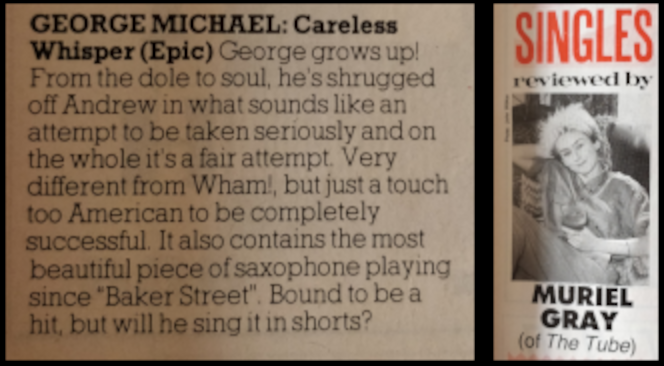
Over in the music press, Boy George was still dominating every single page, but Smash Hits reviewer Muriel Gray provided the ultimate cold-take of the decade. Reviewing George Michael’s brand new solo single, “Careless Whisper”, she casually dismissed it as being “too American to be completely successful.” It went on to sell over six million copies and top the charts in nearly twenty countries, proving that the music press didn’t always have their fingers on the pulse.
